
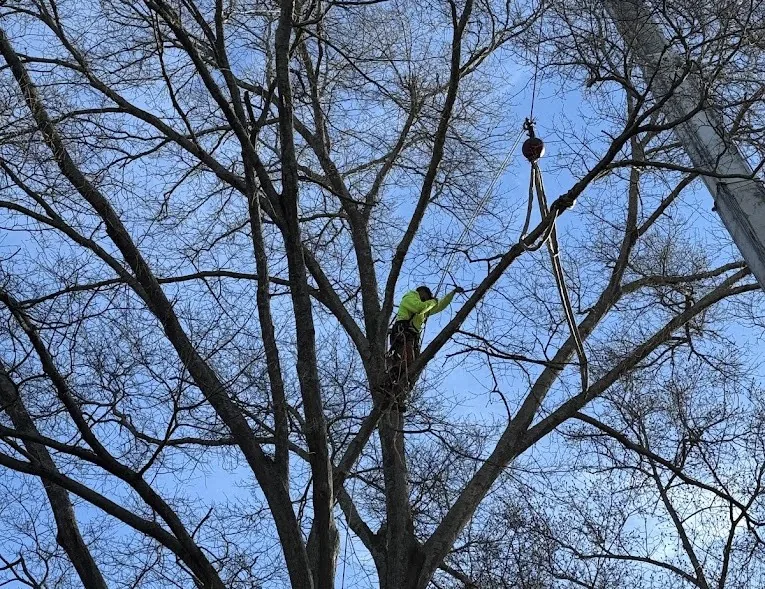
Homeowners often ask about the best time to trim trees in North Georgia. The right answer starts with the tree, the goal, and the season.
Good timing protects tree health and keeps branches strong. Poor timing can slow growth, invite pests, or spoil blooms.
North Georgia has mild winters, hot summers, and sudden storms. Your timing should match this climate and the way your trees grow. In this guide, you will learn how seasons shape pruning work.
You will also see what to avoid, so your trees can thrive. You will get plain tips for winter, spring, summer, and fall. We will also cover flower timing, risk, and recovery.
This is general advice you can use to plan. For large, tall, or risky work, consider help from a trained arborist. People often ask when to prune trees in Georgia because timing can change by species.
It can also change by age, site, and the kind of cut you need. Plan now, so you are not rushing after a storm or in a heat wave. A simple plan makes care easier and safer.
Why Timing Matters for Tree Health and Safety
Pruning is stress, even when done well. Good timing helps trees seal wounds and stay strong. Cuts made at the right time lower the risk of pests and diseases.
Cuts made at the wrong time can leave open doors for trouble. Winter and early spring cuts often guide structure and remove dead wood. Summer and early fall cuts manage size and clear small issues only.
Bad timing can also harm how a tree looks. You can lose next season’s flowers or fruit if you cut at the wrong time.
Every cut has a cost, so make each one count. Aim to remove the least you need for the goal you have.
Winter Tree Care in Georgia: Dormant Pruning That Builds Structure
Dormant work is the base of strong form. In cold months, there are no leaves, so you can see the frame. Winter tree care Georgia often includes removing dead wood and crossing limbs.
It also sets a clear leader and balanced branches. Many homeowners search for dormant pruning Georgia to learn the basics. That is because winter cuts are forgiving when done with care.
Sap flow is low, and pests are less active now. That means wounds can stay cleaner as spring growth starts.
Late winter through very early spring is often best for structure cuts. Strong structure reduces broken limbs when storms hit.
The best time to trim trees in North Georgia, season by season
Plan your North Georgia tree pruning season around winter structure cuts and spring touch ups. Use summer and early fall only for light shaping and safety. In late winter, remove dead, diseased, and rubbing branches.
Shape young trees to set good angles and space. As spring begins, do only what is needed for health. Heavy work waits until growth is moving and the risk of deep cold has passed tree care service options.
In summer, focus on small cuts and visibility. In early fall, avoid heavy cuts that can wake soft growth before frost.
Flowering Trees and Shrubs: Prune by Bloom Time, Not by Month
Spring bloomers form flower buds the prior year. If you cut them in winter, you can remove the blooms they already made. Prune spring flowering trees and shrubs soon after they bloom.
Wait to shape summer bloomers until late winter or very early spring, since they flower on new growth UGA Extension’s pruning guidance. The University of Georgia Extension also notes that severe pruning is best timed for mid March in North Georgia as spring growth begins. That timing helps trees recover and close wounds as sap rises.
This rule is key for dogwood, azalea, and other spring classics. It also helps hydrangea types that set buds early.
By watching bloom time, you save color and form. Your yard looks better, and the plants keep their cycle.
Summer and Early Fall: Light Shaping, Water, and Wound Care
Summer heat can stress trees, so keep cuts small. Use this time to improve clearance, reduce minor weight, and fix sight lines. Remove water sprouts and small suckers while they are soft.
Clear a sidewalk or driveway with careful, clean cuts. Avoid heavy cuts in late summer and early fall. New growth pushed by big cuts may not harden before cold.
If a branch breaks in a storm, make a clean cut at the branch collar. Do not paint the wound, and let it dry and seal.
Watch for pests drawn to fresh sap. If you see signs, plan bigger work in the next cool window.
Storm Prep and Risk Reduction Before Weather Turns Rough
Late winter and early spring are good times to reduce risk. Remove dead or weak limbs that can fall in wind. Look for narrow angles where branches pinch the trunk.
Those spots can split under stress from ice or wind. Thin crowded branches only where it helps light and airflow. Keep small cuts, and avoid lion tailing that leaves tufts at the ends.
Do not top trees to control height. Topping leads to weak sprouts and more breakage later.
Plan ahead of storm season if a tree leans or has decay. A trained arborist can assess risk without guesswork tree removal planning.
Young vs. Mature Trees: Goals, Cuts, and Timing Choices
Young trees need guidance, not big cuts. Focus on a single leader, good spacing, and wide branch angles. Do formative pruning in late winter or early spring.
That sets the tree up to resist future stress. Mature trees need less shaping and more care. Remove dead wood and hazards when found, then stop.
Time large cuts on mature trees for cool seasons. That reduces stress and lets wounds close as growth starts.
If you are unsure, watch the tree’s response after a small cut. Use that feedback to plan larger steps next year.
Species Examples Without the Guesswork
Not all trees react the same way to a cut. Growth rate, wood strength, and bloom timing all matter. Evergreens often need less pruning, and cuts should be light.
Make them in late winter or after the first flush of growth. Many oaks and maples shape well in late winter. Keep cuts moderate, and avoid heavy sap bleed in early spring if it is an issue.
Crape myrtle flowers on new growth, so shape in late winter. Avoid topping, and instead remove weak shoots and thin crossing stems. Dogwood and azalea set buds early, so wait until after they bloom.
Then make small cuts to guide shape and remove dead tips. Fruit trees need a steady plan year to year. Balance sunlight, air, and load so branches hold fruit without breaking.
Simple Rules to Avoid Costly Mistakes
Do not remove more than a quarter of live canopy in a year. Big cuts remove too much energy and can invite stress. Do not flush cut or leave long stubs.
Find the branch collar, and cut clean just outside it. Do not make large new wounds in late summer or fall. That can trigger tender shoots that freeze in the first cold snap.
Do not prune when soil is soaked from days of rain. Wet ground can lead to root damage from foot or equipment traffic. Do not climb without the right training and gear.
Many tasks are safer from the ground with a pole tool. Watch, plan, and keep notes on timing. Your trees will tell you how they respond over the seasons.
Frequently Asked Questions
What month is best for most pruning in North Georgia?
Late winter into early spring works well for many trees in North Georgia. Growth is about to start, and wounds can seal as sap rises. The University of Georgia suggests mid March for severe cuts in this region. Trinity Tree Service follows regional guidance to time larger cuts with recovery.
Is winter a safe time to trim trees here?
Winter is often a good time for structure cuts in North Georgia. Pests are less active, and the tree frame is easier to see. You can remove dead wood and crossing limbs with less stress on the tree. Trinity Tree Service plans winter work to set strong form for the growing season.
How should I time pruning for spring flowering trees?
Spring bloomers should be pruned soon after they finish flowering in North Georgia. They set their buds the prior year, so winter cuts remove those buds. Summer bloomers on new wood can be shaped in late winter or very early spring. Trinity Tree Service follows bloom habits to protect flowers and plant health.
Can I prune in summer without hurting the tree?
You can make small summer cuts in North Georgia to fix minor issues. Focus on clearance, broken twigs, and light shaping only. Avoid heavy cuts in late summer and early fall that can push soft growth. Trinity Tree Service limits summer pruning to protect recovery and reduce stress.
How do storms change the pruning plan in this area?
Storm risk makes structure and clearance work important in North Georgia. Late winter and early spring are good times to remove weak or dead limbs. After a storm, cleaning broken branches with clean cuts helps recovery. Trinity Tree Service schedules risk reduction ahead of the windy and icy periods.
Trinity Tree Service Can Help in North Georgia
If you want a safe, seasonal plan for your yard, our team is ready. We match pruning to species, goals, and local weather for steady results. Contact us to set a time that works for you contact Trinity Tree Service.